How to Protect Against Pests in Home in North York
If you want to reduce pest concerns before they start, the smartest approach is a combination of preventive steps, entry prevention, and regular monitoring. For homeowners and renters looking for pest control North York advice, that means understanding how pests get into homes in North York, Ontario, and what makes local properties more vulnerable in changing seasons. Whether you live in a detached house, a townhome, or a high-rise condo, a small number of smart changes can make your home far less inviting to insects and rodents.
North York’s housing mix is a major reason pest pressure varies so much from one street to the next. Older homes often have more cracks, gaps, and aging materials that create access points, while condo buildings can face issues through shared walls, utility penetrations, and common areas. Add in dense neighbourhood development, nearby alleyways, and transit corridors, and pests can move fast from one building to another. A effective pest-proofing plan focuses on removing shelter, cutting off food sources, and sealing entry points before an infestation starts.
How Homes in North York Invite Pests
Homes in North York, ON, deal with seasonal pest issues all year, but the type of pest changes with the weather. Spring often introduces ant activity as colonies search for food and moisture. Summer tends to raise wasps around eaves, decks, and garbage bins. In the fall and winter, house mice and other rodents move inside for warmth, shelter, and nesting areas. That seasonal activity makes for prevention important throughout the year, not just after you notice a problem.
Older homes in the area can be more vulnerable because wear and tear naturally forms cracks and gaps around foundations, vents, and utility lines. Even small openings can become access points for pests if they’re not sealed properly. Basements, garages, and attics are especially important because they often stay dark, quiet, and less frequently cleaned, which provides ideal harbourage for pests.
Condo buildings present unique challenges. Shared walls, laundry rooms, garbage rooms, and mechanical spaces can all help pests travel between units. If one suite has a moisture issue or food debris, German cockroaches or house mice may spread through nearby spaces. That’s why pest-proofing in North York has to match the property type, not just the pest.
What Are the Most Most Common Home Pests in North York?
The most common household pests in North York include ants, cockroaches, mice, and bed bugs, but homeowners also run into silverfish, wasps, and cluster flies depending on the season and property type. Each pest has unique habits, entry points, and signs of activity, which means the prevention strategy should be specific.
Ants are particularly common in spring and early summer. They often seek moisture and food sources into kitchens, pantries, and wall voids. Carpenter ants are a serious concern because they can nest in damp wood, especially near basements, leaking windows, and rooflines.
Cockroaches, especially German cockroaches, flourish where there is food, moisture, and hiding space. They’re common in kitchens, behind appliances, and in multi-unit buildings where infestations can spread through shared plumbing or walls. Good sanitation and a careful treatment plan are essential if you suspect them.
Mice, including house mice, are a common fall and winter issue in North York homes. They can squeeze through tiny openings and quickly establish nesting areas in basements, garages, attics, and storage spaces. Rodent-proofing is all about exclusion and monitoring before the population grows.
Bed bugs are different from the others because they’re usually introduced through luggage, furniture, or second-hand items rather than entering from outside. They can be a problem in condos, houses, and townhomes alike. Quick inspection and early action matter because bed bugs are hard to eliminate once they spread.
Other pests can also show up in local homes. Silverfish are drawn to damp areas, wasps build nests around eaves and outdoor structures, and cluster flies often appear in attics or upper wall spaces as temperatures drop. A solid prevention plan should account for all of them.
Ways to Seal Access Points Around Your Home?
Sealing access points is among the most effective forms of exclusion. If pests are unable to enter, they can’t create nesting areas or grow an infestation. Start by walking around your home and looking closely for cracks and gaps around the foundation, windows, doors, pipes, vents, and utility penetrations. Inspect both the exterior and interior, especially where different materials meet.
Closing cracks in masonry, siding, mortar, and around trim helps block insects and rodents. Apply appropriate caulking for smaller openings, but remember that caulk alone might not be sufficient for larger gaps or chew-prone areas. Rodents can work on soft materials, so tougher exclusion materials may be needed around vulnerable access points.
Fit bottom door seals on outside doors, notably lower-level and carport doors. If you can see daylight under the door, pests may be able to enter. Add door sealing strip where needed to minimize gaps around the frame and enhance the seal. This is most useful in older North York homes where doors and windows may no longer fit tightly.
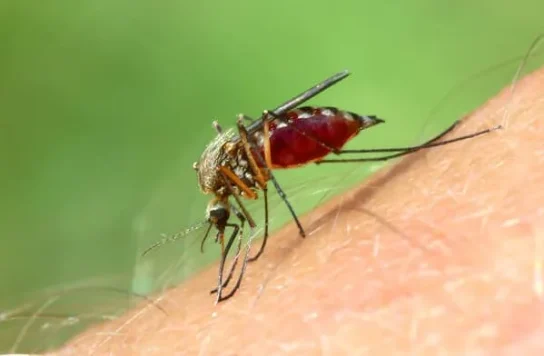
Pay special attention to foundation access points and utility access points. Cable lines, furnace vents, exhaust vents, plus plumbing penetrations may become entry points if they are not sealed. Lower-level windows and window casings also need care because they are typical access points for mice, ants, and spiders.
In condo complexes, some entry points are communal or overseen by the building manager, but you should still examine your own unit. Gaps around pipes, baseboards, and balcony doors can provide easy ways in. If you see pest activity, inform it promptly so the building can address the source instead of only targeting one unit.
How Do You Keep Kitchens and Bathrooms Less Appealing to Pests?
These spaces attract pests because they offer nutrition, moisture, and shelter. Improving pantry storage, reducing moisture control issues, and sticking to consistent cleaning routines can make a major difference in risk reduction. Most indoor pest problems start where sanitation is weakest.
Store dry goods in sealed containers instead of open packaging. This helps with food storage and keeps crumbs, flour, cereal, and pet food from becoming food sources for ants, cockroaches, and mice. Do not leave pet bowls out overnight if you are dealing with pest activity, and clean up spills at once.
Fix drips and dampness quickly. Even a small drip under a sink or behind a toilet can support cockroaches, ants, and silverfish. Check under kitchen sinks, around dishwashers, and behind fridges for hidden dampness. In bathrooms, run exhaust fans, repair worn caulking, and keep surfaces dry where possible. Moisture control matters because many pests are drawn to humid areas and protected harbourage.
Garbage disposal habits also matter. Take indoor garbage out regularly, keep bin lids closed, and rinse food containers before tossing them in recycling. If your kitchen garbage accumulates overnight, it can attract ants, flies, and rodents. Use lined bins and clean them routinely to avoid lingering odours and residue.
Strong cleaning routines help eliminate food residue that pests can feed on. Sweep under appliances, wipe counters, vacuum crumbs, and clean around cupboard edges. In shared buildings, this is especially important because pests can move from one unit to another if there is a reliable food source nearby.
Bathrooms should stay as dry as possible. Wipe up standing water, avoid clutter under sinks, and keep stored items off the floor if you can. Cardboard boxes, paper bags, and unused textiles can also provide shelter for silverfish and other pests, especially in humid basements and lower floors.
What Outdoor Pest-Proofing Methods Assist in North York?
Outdoor pest-proofing is equally important as indoor prevention because many pests begin outside before they come inside. In North York, landscaping, gutters, garbage bins, and yard debris can all raise pest pressure around the home. A tidy exterior reduces shelter, nesting, and hiding spots.
Landscaping should be kept tidy around the foundation. Trim shrubs and tree branches so they do not touch the house, since overgrown plants can act like pathways for ants, wasps, and rodents. Avoid piling mulch too high against exterior walls, and keep plants spaced so air can move around them. Dense vegetation can create shelter and make inspections harder.
Clean gutters regularly so water drains properly. Clogged gutters can lead to overflow, damp siding, and moisture near the foundation, which may attract carpenter ants and other pests. Water problems near the roofline can also create conditions for nesting in attics or wall cavities.

Keep garbage bins closed and placed away from doors where possible. Pests are drawn to leftover food smells, grease, and residue. Rinse bins regularly and make sure lids close firmly. In alleyways and dense neighbourhood settings, bins left open can quickly become feeding sites for raccoons, rodents, flies, and wasps.
Remove yard debris such as leaf piles, stacked wood, unused planters, and broken materials. These items create hiding spaces for mice, insects, and other pests. If you store firewood, keep it elevated and away from the house. North York’s mix of detached homes, laneways, and closely spaced properties means pests can easily move from one sheltered area to the next.
Also watch for wasp nests under eaves, along fences, and near sheds during summer. Early removal is often easier than waiting until the nest gets large. For cluster flies, sealing attic openings and screening vents can help reduce the chance of them gathering inside in cooler months.
When Should You Call a Pest Control Professional in North York?
You should contact a pest control professional when you see obvious infestation signs, repeated pest activity, or evidence that suggests the problem is spreading. An inspection is the starting step because it identifies the pest, the source, and the best approach to control. If you only treat what you can see, the hidden nest or access point may continue operating.
Some signs are easy to spot: droppings, gnaw marks, shed skins, grease marks, scratching sounds in walls, musty odours, or live pests during the day. Others are more subtle, such as recurring ants near the same window, cockroaches appearing after lights go on, or bed bugs showing up after travel or furniture changes. For mice, look for nesting material, chew marks, and activity in basements, attics, and garages.
A reputable company will use integrated pest management rather than relying on a quick spray alone. Integrated pest management combines inspection, identification, exclusion, sanitation, habitat reduction, monitoring, and targeted treatment. This approach is more effective because it addresses the conditions that allowed the infestation in the first place.
Local pest control services are particularly helpful in North York because they understand the pest pressure tied to seasonal activity, housing types, and urban density. A professional inspection can reveal whether the issue is isolated to one room or related to shared walls, utility lines, or nearby buildings. For condos and townhomes, that local context matters a lot.
What Do You Need to Ask Before Hiring Pest Control in North York?
Before hiring a provider, ask whether they use licensed technicians and whether they offer a straightforward treatment plan based on your pest issue. Quality pest control should be targeted, not generic. You want a provider who describes what pest is present, how they identified it, and what steps they recommend for elimination and prevention.
Ask how they handle follow-up visits. Many pest problems need monitoring after the first service, especially for rodents, bed bugs, and cockroaches. Follow-up helps show that pest activity is declining and that exclusion work is holding up. Without it, a short-term fix may fail once seasonal activity changes.
Also ask about service guarantees. Some companies offer guarantees with conditions, while others may not. Make sure you understand what is covered, what is not, and what you need to do on your end to maintain the service outcome. A strong guarantee is useful only if the company also provides clear prevention steps and realistic expectations.
It helps to ask whether their recommendations include exclusion, moisture control, sanitation, and monitoring rather than only chemical treatment. The best pest control North York homeowners choose should combine practical home repairs with professional pest management. That usually leads to better sustained risk reduction than a one-time treatment alone.
How Can You Stop Pests from Returning?
Preventing pests from returning requires ongoing prevention, not a one-time cleanup. Once your home is sealed and cleaned up, keep checking the same vulnerable areas so you can catch small problems early. That includes basements, garages, attics, pantry areas, and shared spaces in multi-unit buildings.
Use monitoring traps where appropriate to track activity. Traps can help show whether mice are still moving through a space, whether cockroach activity is dropping, or whether a recurring problem needs more attention. Monitoring is especially useful after a treatment or in properties with a history of seasonal pest pressure.
Create a basic maintenance checklist for your home. Include crack sealing, looking over door sweeps, clearing clutter, testing for leaks, wiping behind appliances, and examining exterior walls. A checklist makes it easier to stay regular, which is important because pest problems often come back when routine maintenance falls behind.
Schedule seasonal inspections to spot changes before they become infestations. In North York, that means checking for ants in spring, summer wasps, and rodent entry points before fall. In winter, watch basements, garages, and utility spaces for signs that mice are coming in for shelter.
Effective prevention also means staying aware to changes in your property and neighbourhood. Renovations, nearby construction, and shifts https://caledon-ondc176.novacrestiq.com/posts/preparing-your-north-york-property-for-an-inspection-in-2026 in waste storage can all affect pest movement. Dense urban development, transit traffic, and alleyway access can make it more likely that pests will move from one building to another. Staying proactive is the most effective way to protect your home over time.
For North York homeowners, the most effective pest-proofing strategy is simple: seal access points, reduce food and moisture, maintain the exterior, and bring in professional help early when needed.
FAQ
What is the best way to pest-proof a home in North York?
The best approach is a combination of exclusion, sanitation, and monitoring. Start by sealing cracks and gaps, adding door sweeps and weatherstripping, improving food storage, fixing moisture issues, and keeping the exterior clear of debris. In North York, it’s also smart to plan for seasonal pest pressure, since ants, wasps, and rodents peak at different times of year. If you already see pest activity, a professional inspection can help identify the source quickly.
Which pests are most common in North York homes?
Common household pests in North York include ants, cockroaches, house mice, bed bugs, silverfish, wasps, carpenter ants, and cluster flies. German cockroaches and mice are especially common in kitchens, basements, garages, and multi-unit buildings. The exact pest depends on the property type, the season, and how much food, moisture, and shelter is available.
How can I tell if I have a mouse or cockroach problem?
Mice often leave droppings, chew marks, scratching sounds, and nesting supplies in basements, attics, or garages. Cockroaches are more inclined to hide in damp, sheltered spots near kitchens and bathrooms, and you may notice feces, egg cases, or a musty smell. If you’re unsure, an inspection can confirm the pest and guide the right treatment plan.
Are homes and condos in North York pest-proofed differently?
Absolutely. Houses usually need more exterior exclusion work, like sealing foundation openings, repairing weatherstripping, and managing yard debris and garbage bins. Condos often need more attention to shared walls, plumbing penetrations, garbage rooms, and building-wide pest movement. In both cases, good sanitation, moisture control, and follow-up monitoring are important.
When should I call a pest control company in North York?
Call a pest control company as soon as you see repeated pest activity, clear infestation signs, or damage that suggests pests are nesting inside. It’s especially important if you suspect bed bugs, German cockroaches, or mice, since these problems can spread quickly. A local professional can perform an inspection, recommend integrated pest management, and provide follow-up support if needed.